The Aveva System Platform offers unparalleled scalability and flexibility, making it a powerful solution for diverse industrial applications. This article explores the scalability and adaptability of Aveva’s System Platform, its benefits, and success stories from companies that have leveraged its capabilities, provided by PIMA, an Aveva technology partner.
Understanding the Scalability of the Aveva System Platform
Definition and Features
The Aveva System Platform is designed to scale seamlessly with the growth of industrial operations. Its architecture supports small-scale implementations and large, complex systems, ensuring it can handle increasing data volumes and more extensive operational requirements.
Adaptability to Industrial Applications
Aveva’s platform is versatile, adapting to various industrial applications, from manufacturing and energy to utilities and infrastructure. This flexibility allows it to integrate with existing systems and scale according to business needs.
Benefits of a Flexible and Scalable Platform
Cost Savings
A scalable platform reduces the need for extensive system overhauls as businesses grow. It allows for incremental upgrades, which translates to cost savings over time.
Improved Performance
The flexibility of the Aveva System Platform ensures optimal performance across different applications, enhancing efficiency and productivity.
Future-Proofing
The ability to adapt to evolving technologies and business needs means that companies can future-proof their operations, ensuring long-term viability and competitiveness.
Enhanced Integration
The platform’s scalability supports integration with various industrial systems and data sources, facilitating a unified process management and control approach.
Success Stories and Implementation Examples
Manufacturing Plant
A manufacturing plant adopted the Aveva System Platform to manage its expanding operations. The platform’s scalability allowed the plant to integrate new production lines and processes smoothly, resulting in a 20% increase in operational efficiency.
Energy Sector
An energy company utilized the flexible capabilities of Aveva’s platform to manage a diverse range of energy assets. The platform’s adaptability enabled the company to optimize its operations across different energy sources, improving overall performance and reducing operational costs.
Utilities Provider
A utilities provider implemented the Aveva System Platform to enhance its infrastructure management. The platform’s scalability facilitated the integration of new technologies and systems, supporting the provider’s growth and operational improvements.
Conclusion
The Aveva System Platform, provided by PIMA, offers exceptional scalability and flexibility, making it an ideal choice for various industrial applications. Its ability to adapt to growing business needs and diverse operational requirements brings significant benefits, including cost savings, improved performance, and future-proofing. By leveraging Aveva’s scalable solutions, companies can enhance their operations and achieve long-term success.
For more information on Aveva’s System Platform and its benefits, visit Aveva System Platform Solutions.
Introduction
Industrial plants rely heavily on motors for continuous operations. To keep these motors safe, organized, and easy to control, companies use an electrical MCC panel. As production demand increases, industries require MCC panels that support safety, stable performance, and long operating hours. This blog explains what an MCC control panel is, the types of MCC panels, how to choose the right one, and why Pima Controls is a trusted MCC panel manufacturer & supplier in India.
What Is an MCC Panel?
Instead of handling motors individually, the MCC panel groups all motor feeders in one place, making operations simpler and safer.
- Starters
- Contactors
- Overload relays
- Circuit breakers
- Drives (if needed)
- Control wiring
- Metering
- Safety devices
Key Functions of an MCC Panel
- Controls motors in one central system
- Protects motors from electrical faults
- Improves maintenance and troubleshooting
- Reduces wiring across the plant
- Supports automation and smooth operation
Types of MCC Panels
Fixed Type MCC Panel
It is simple, safe, and cost-effective.
- Small plants
- Utility rooms
- Low-risk application
Drawout Type MCC Panel
This allows operators to pull out a feeder for maintenance without shutting down the entire panel.
- Large industries
- Processes needing high uptime
- Plants with frequent servicing
Intelligent MCC (iMCC)
They include meters, sensors, and communication modules to help teams view real-time data and detect early issues.
- Early fault detection
- Reduced downtime
- Better energy tracking
- Seamless connectivity to SCADA or PLC
VFD-Based MCC Panels
They help in energy saving and smooth motor operation.
- Conveyors
- Pumps
- Mixers
- Fans
ATS or Changeover-Based MCC Panels
- Plants with frequent power issues
- Critical motor applications
Applications of MCC Panels in Industrial Plants
Since motors run across different industries, MCC panels support operations in many sectors.
Common applications include:
- Pumps and pumping stations
- Conveyors and material handling
- Mixers, crushers, and mills
- HVAC blowers
- Packaging machines
- Cooling towers
- Compressors
- Boilers and utilities
Industries that depend on MCC panels:
- Pharma
- Food and beverage
- Chemicals
- Textiles
- Power plants
- Metal and mining
- Oil and gas
- Water treatment
- Automotive
Applications of MCC Panels in Industrial Plants
| Application Type | Description |
|---|---|
| Common applications include: |
|
| Industries that depend on MCC panels: |
|
How to Select the Right MCC Panel
Wrong selection leads to failures, downtime, and safety issues.
Here are the main points industries should consider.
Load Requirements
- Motor rating
- Starting current
- Operating cycle
- Future expansion plans
Type of Operation
- Fixed
- Drawout
- Intelligent
- VFD-based
Environmental Conditions
- Dusty areas need better sealing
- Hot areas need cooling systems
- Outdoor use needs weatherproof enclosures
Component Selection
Pima uses components from Schneider Electric, Rockwell Automation, Socomec, and other reliable brands.
Safety and Protection
- Short circuit level
- Overload conditions
- Motor type
- Electrical faults
- Coordination study
Testing and Quality Checks
- Wiring checks
- Mechanical inspection
- Functional tests
- Protection testing
Documentation and Drawings
- GA drawings
- Wiring diagrams
- Load charts
- Test reports
Safety and Compliance Requirements
Industries must use panels that meet Indian and international standards.
Key safety points:
- Proper cable management
- Clear labeling
- Short-circuit protection
- Overload protection
- Arc-safe design
- Correct enclosure rating
- Safe busbar spacing
- Emergency stop features
- IEC rules
- IS standards
- Electrical safety codes
Benefits of a High-Quality MCC Panel
Better Control
Smooth Maintenance
Improved Safety
Long Service Life
Lower Downtime
Easy Expansion
Better Energy Use
Why Choose Pima Controls for MCC Panels?
Pima Controls is one of India’s trusted MCC panel manufacturers with strong engineering and long experience in industrial automation and electrical systems.
Companies across India depend on Pima because of consistent quality and dependable service.
Wide Industry Experience
- Pharma
- Food
- Chemicals
- Packaging
- Engineering
- Power plants
- Utilities
Strong Engineering Team
Use of Genuine Components
This ensures longer life and stable performance.
Strict Testing Process
- Electrical tests
- Mechanical checks
- Functional tests
- Protection checks
Support for Custom Requirements
Custom feeders, special enclosures, and advanced monitoring can all be added.
Trusted by Leading Companies
Smooth Delivery and After-Sales Support
This makes project handling easier for customers.
Conclusion
Choosing the right panel improves safety, performance, and long-term reliability.
With strong engineering, certified designs, and reliable supply, Pima Controls has become a trusted MCC panel supplier and manufacturer in India.
Subscribe for More Insights

How SCADA Modernization Improves Reliability and Traceability in Dairy Processing

Digital Energy Management in Manufacturing: Real-Time Monitoring & Optimization

PLC–SCADA Based Oil Handling Automation for Industrial Frying Applications

How SCADA Modernization Improves Reliability and Traceability in Dairy Processing
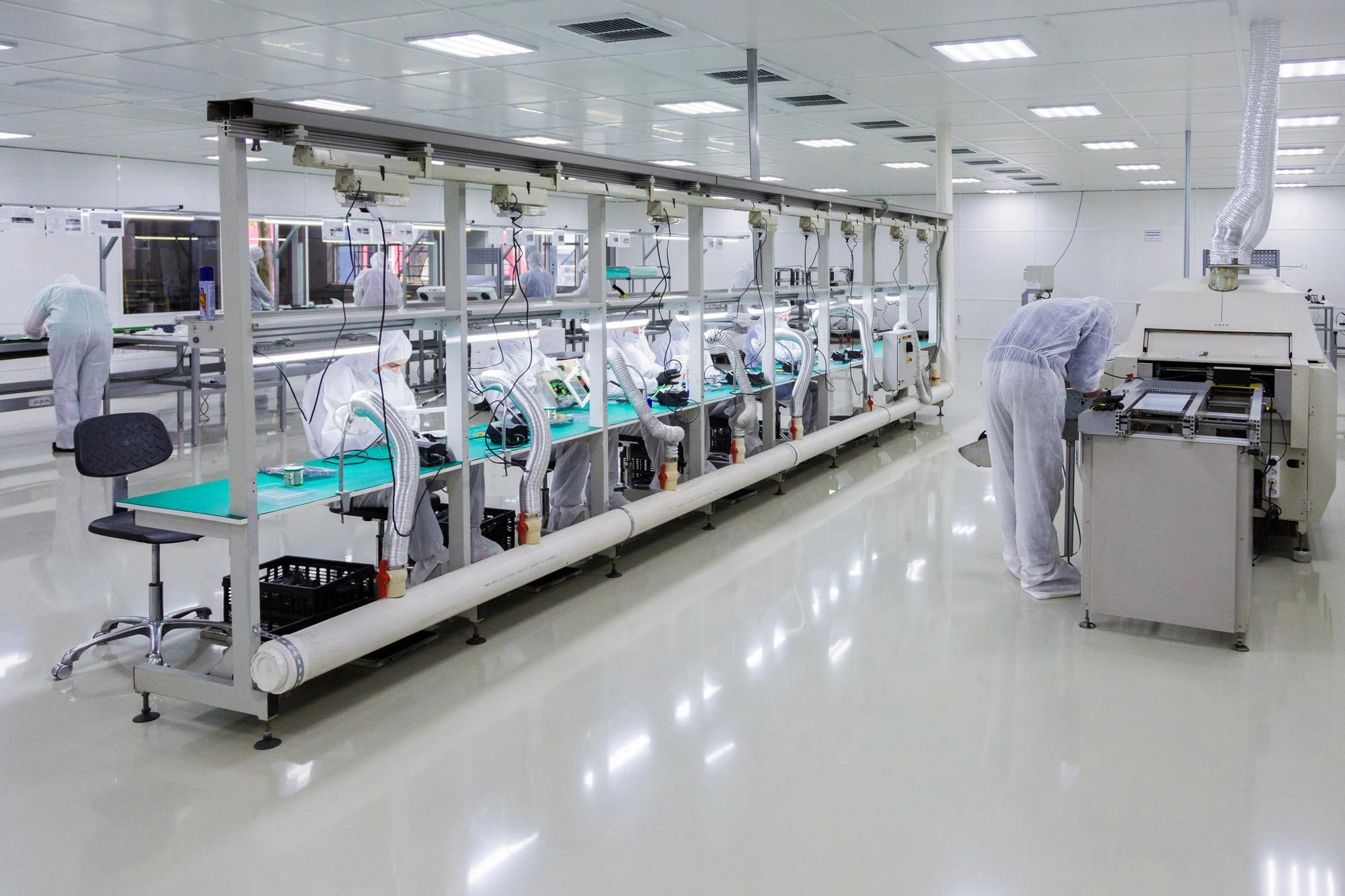
Automation in Pharmaceutical Manufacturing: Enhancing Quality, Compliance, and Operational Efficiency

5 Reasons to Choose Pima Controls as Your AVEVA InTouch HMI Provider in India
How SCADA Modernization Improves Reliability and Traceability in Dairy Processing
Digital Energy Management in Manufacturing: Real-Time Monitoring & Optimization