The Aveva System Platform offers unparalleled scalability and flexibility, making it a powerful solution for diverse industrial applications. This article explores the scalability and adaptability of Aveva’s System Platform, its benefits, and success stories from companies that have leveraged its capabilities, provided by PIMA, an Aveva technology partner.
Understanding the Scalability of the Aveva System Platform
Definition and Features
The Aveva System Platform is designed to scale seamlessly with the growth of industrial operations. Its architecture supports small-scale implementations and large, complex systems, ensuring it can handle increasing data volumes and more extensive operational requirements.
Adaptability to Industrial Applications
Aveva’s platform is versatile, adapting to various industrial applications, from manufacturing and energy to utilities and infrastructure. This flexibility allows it to integrate with existing systems and scale according to business needs.
Benefits of a Flexible and Scalable Platform
Cost Savings
A scalable platform reduces the need for extensive system overhauls as businesses grow. It allows for incremental upgrades, which translates to cost savings over time.
Improved Performance
The flexibility of the Aveva System Platform ensures optimal performance across different applications, enhancing efficiency and productivity.
Future-Proofing
The ability to adapt to evolving technologies and business needs means that companies can future-proof their operations, ensuring long-term viability and competitiveness.
Enhanced Integration
The platform’s scalability supports integration with various industrial systems and data sources, facilitating a unified process management and control approach.
Success Stories and Implementation Examples
Manufacturing Plant
A manufacturing plant adopted the Aveva System Platform to manage its expanding operations. The platform’s scalability allowed the plant to integrate new production lines and processes smoothly, resulting in a 20% increase in operational efficiency.
Energy Sector
An energy company utilized the flexible capabilities of Aveva’s platform to manage a diverse range of energy assets. The platform’s adaptability enabled the company to optimize its operations across different energy sources, improving overall performance and reducing operational costs.
Utilities Provider
A utilities provider implemented the Aveva System Platform to enhance its infrastructure management. The platform’s scalability facilitated the integration of new technologies and systems, supporting the provider’s growth and operational improvements.
Conclusion
The Aveva System Platform, provided by PIMA, offers exceptional scalability and flexibility, making it an ideal choice for various industrial applications. Its ability to adapt to growing business needs and diverse operational requirements brings significant benefits, including cost savings, improved performance, and future-proofing. By leveraging Aveva’s scalable solutions, companies can enhance their operations and achieve long-term success.
For more information on Aveva’s System Platform and its benefits, visit Aveva System Platform Solutions.
What Is OEE and Why Is It Important?
- Availability – How often the machine is up and running
- Performance – How efficiently it’s operating at its intended speed
- Quality – How many products meet quality standards without rework or rejection
The Challenges of Traditional OEE Monitoring
Real-Time OEE Tracking with Plantwiz.Iotech
- Machine Availability – Instantly know whether a machine is running or idle
- Performance Loss – Identify when a machine is operating below its optimal speed
- Downtime Events – Receive immediate alerts when equipment stops unexpectedly
Why Real-Time OEE Monitoring Matters
- Reduced Downtime
Unplanned stops halt production and impact output. Plantwiz provides instant alerts, allowing maintenance teams to respond quickly and minimize disruptions. - Improved Equipment Utilization
By tracking machine runtime and operating speed, Plantwiz helps identify underutilized equipment—enabling better planning and resource allocation. - Enhanced Product Quality
Poor-quality output leads to waste and rework. Real-time monitoring detects defects early, so issues can be addressed before they escalate. - Data-Driven Decisions
With live data consolidated in one dashboard, teams can make fast, informed decisions—without waiting for end-of-shift reports.
Simplifying Downtime Analysis
- Power failures
- Material shortages
- Operator unavailability
- Setup or changeovers
- Maintenance delays
Real Results from Indian Manufacturing
Looking to Improve Machine Availability and Output?
Get Started Today
FAQs
Subscribe for More Insights

How SCADA Modernization Improves Reliability and Traceability in Dairy Processing
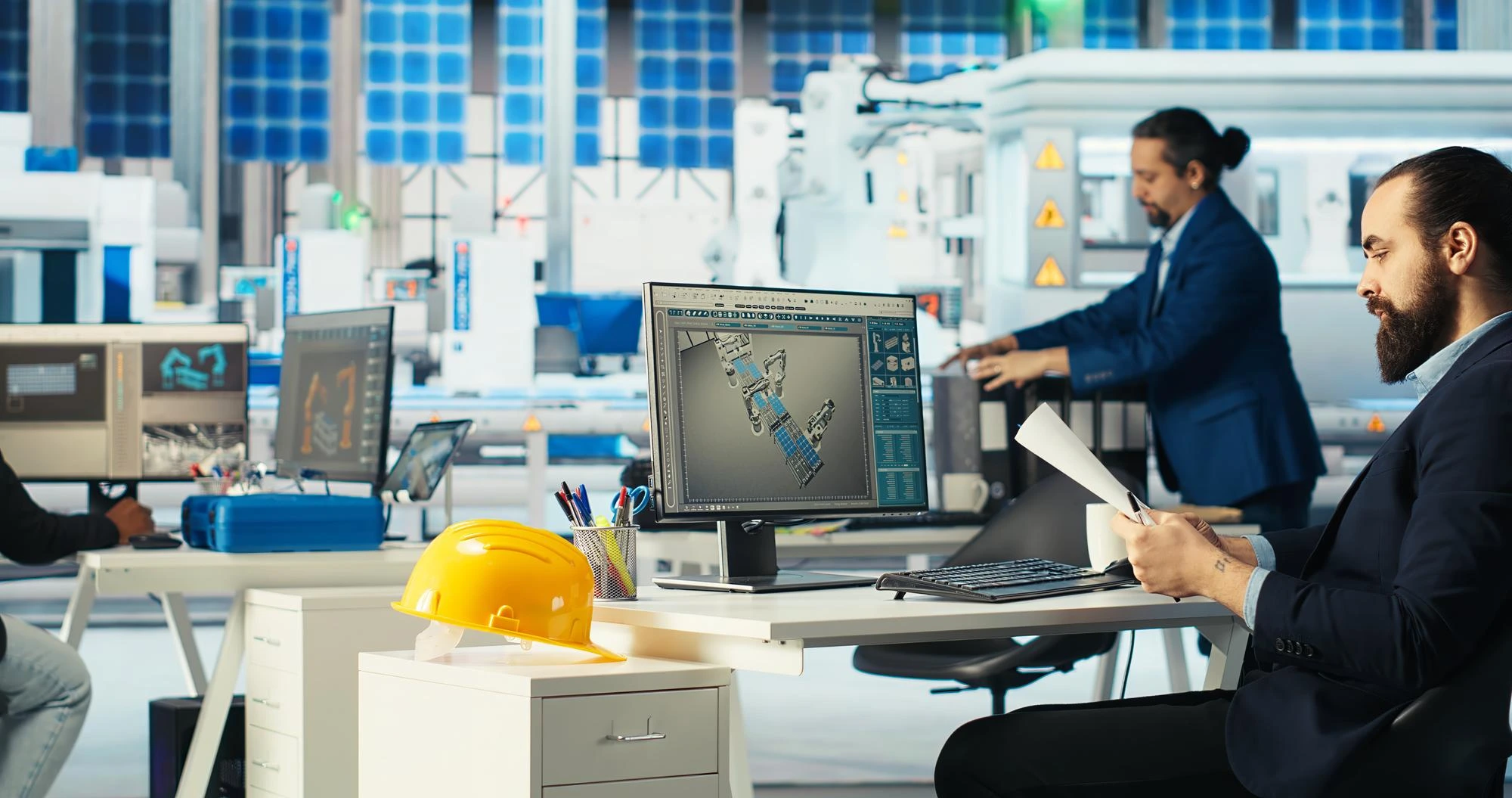
Digital Energy Management in Manufacturing: Real-Time Monitoring & Optimization
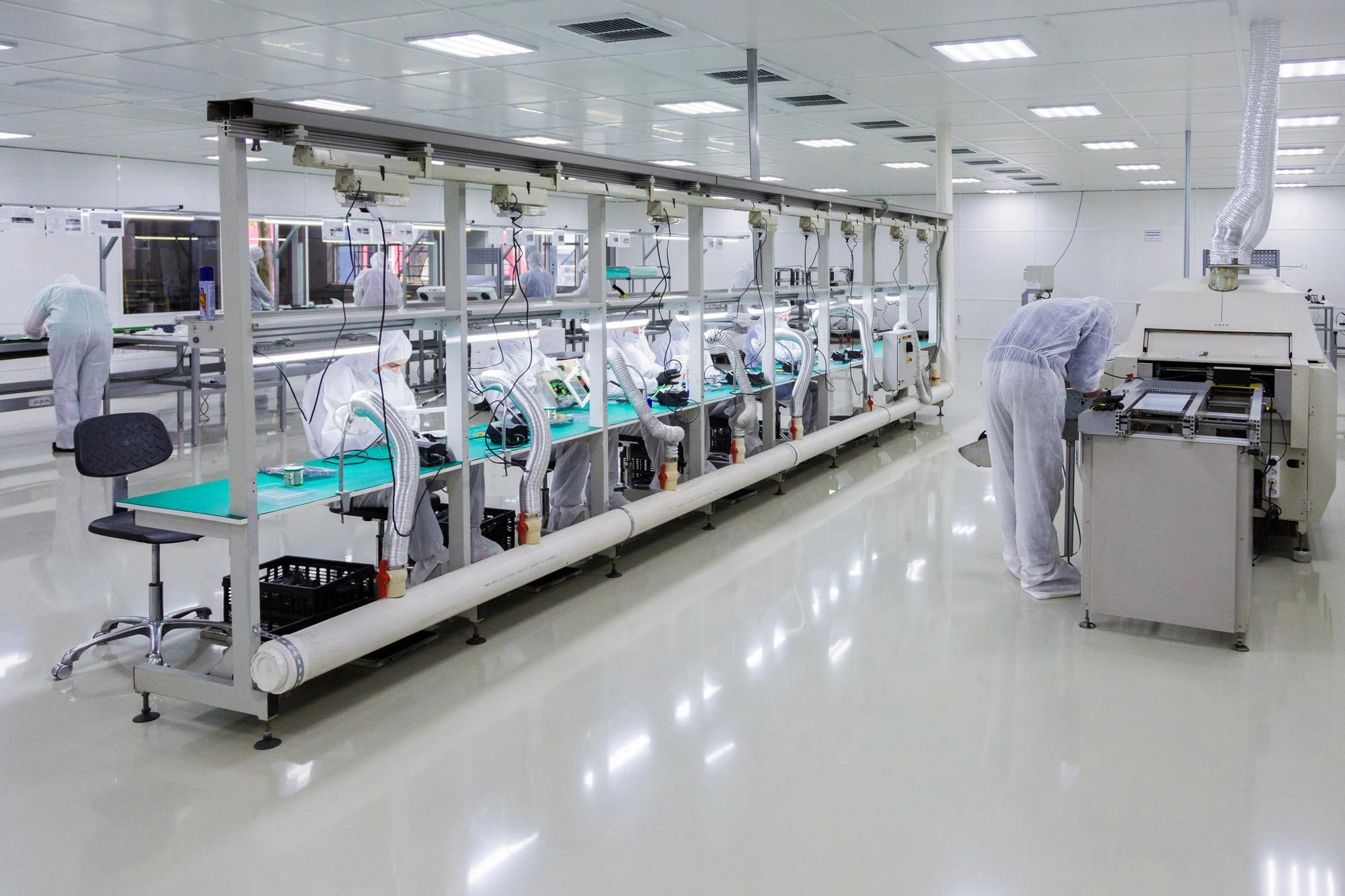
PLC–SCADA Based Oil Handling Automation for Industrial Frying Applications
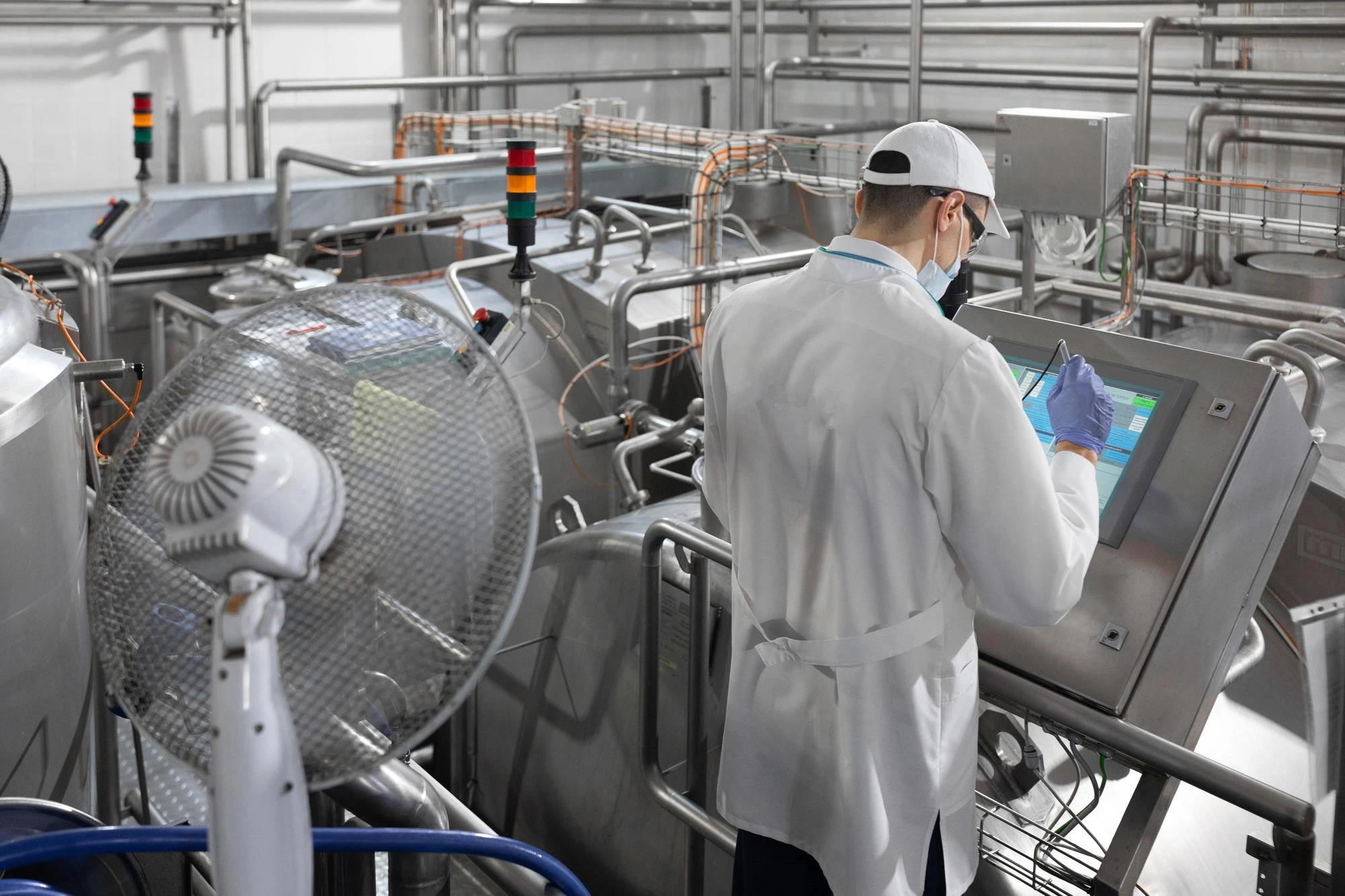
How SCADA Modernization Improves Reliability and Traceability in Dairy Processing
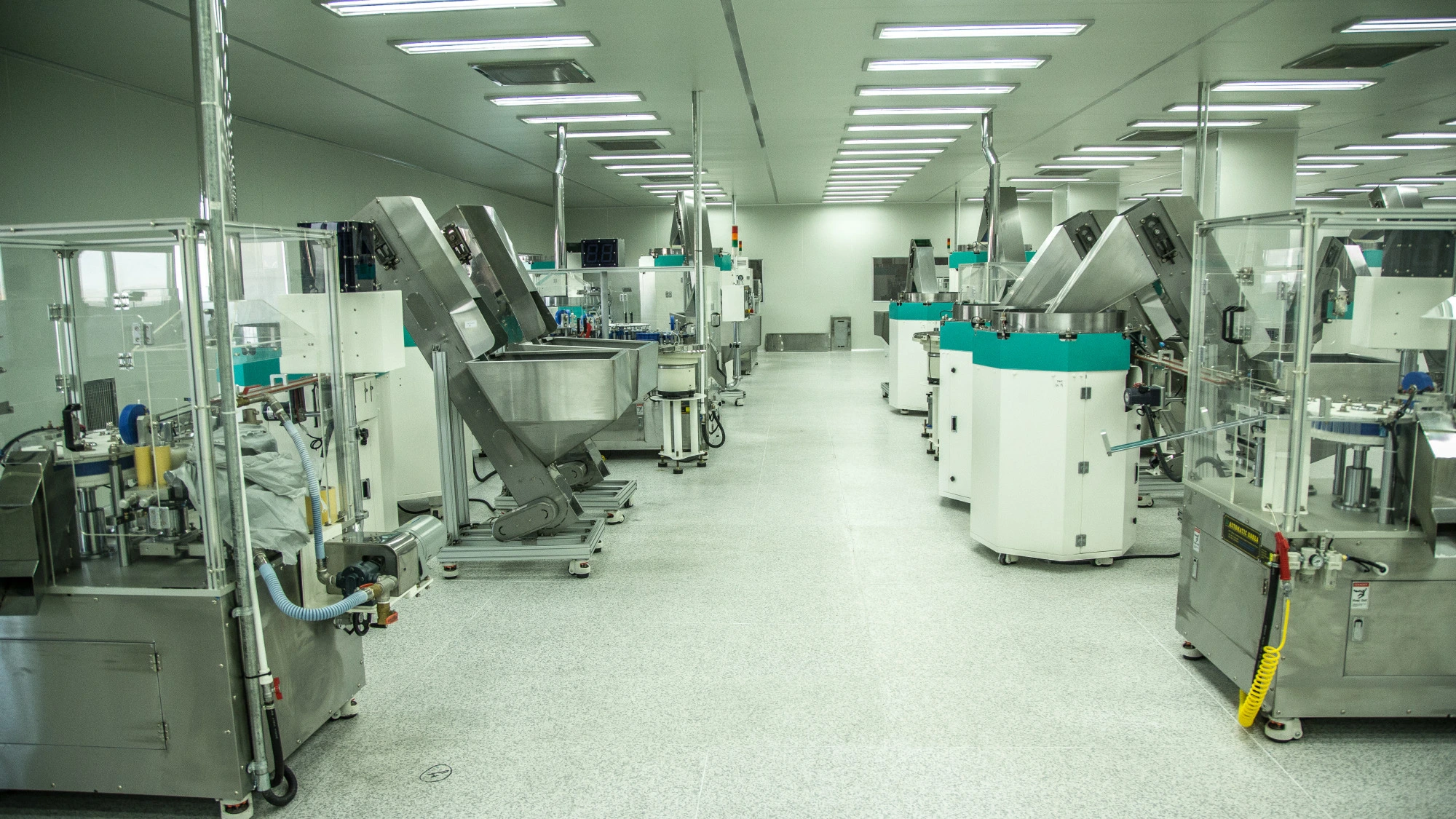
Automation in Pharmaceutical Manufacturing: Enhancing Quality, Compliance, and Operational Efficiency
5 Reasons to Choose Pima Controls as Your AVEVA InTouch HMI Provider in India
How SCADA Modernization Improves Reliability and Traceability in Dairy Processing
Digital Energy Management in Manufacturing: Real-Time Monitoring & Optimization